

The CRM Sync Said “Try Again.” Make Sure It Does Not Create the Deal Twice
Design idempotency, retries, ordering, reconciliation, and operator recovery into CRM integrations before a transient failure turns into duplicate commercial records.

We design CRM integrations around durable identifiers, explicit ownership, consent, lifecycle definitions, recoverable syncs, and useful reporting. Every connection has a business reason, a failure path, and documentation your team can operate.

Service
Business outcomes
The engagement begins with a business constraint, not a list of deliverables. These are the outcomes we use to shape the scope and decide what deserves attention first.
Cleaner customer records
Faster lead routing
Fewer manual handoffs
More reliable revenue reporting
Capabilities
The exact scope follows the constraint. These are the working parts we can connect, improve, document, and hand back to your team.
Delivery workflow
We validate the constraint before building, keep decision owners visible, and document the logic your team will inherit.
Review the journey, evidence, systems, team capacity, and commercial goal before prescribing tactics.
Define the audience, message, data, handoffs, quality controls, and practical sequence of work.
Implement the pages, campaigns, automations, integrations, or editorial assets that the system requires.
Monitor sync success, duplicate rate, assignment latency, lifecycle completeness, failed workflow recovery, source preservation, and business outcomes joined to the correct records.
Field notes for the decision
These guides unpack the questions, evidence and operational trade-offs behind this service. Use them to pressure-test the brief—or decide that a different first move makes more sense.

Design idempotency, retries, ordering, reconciliation, and operator recovery into CRM integrations before a transient failure turns into duplicate commercial records.

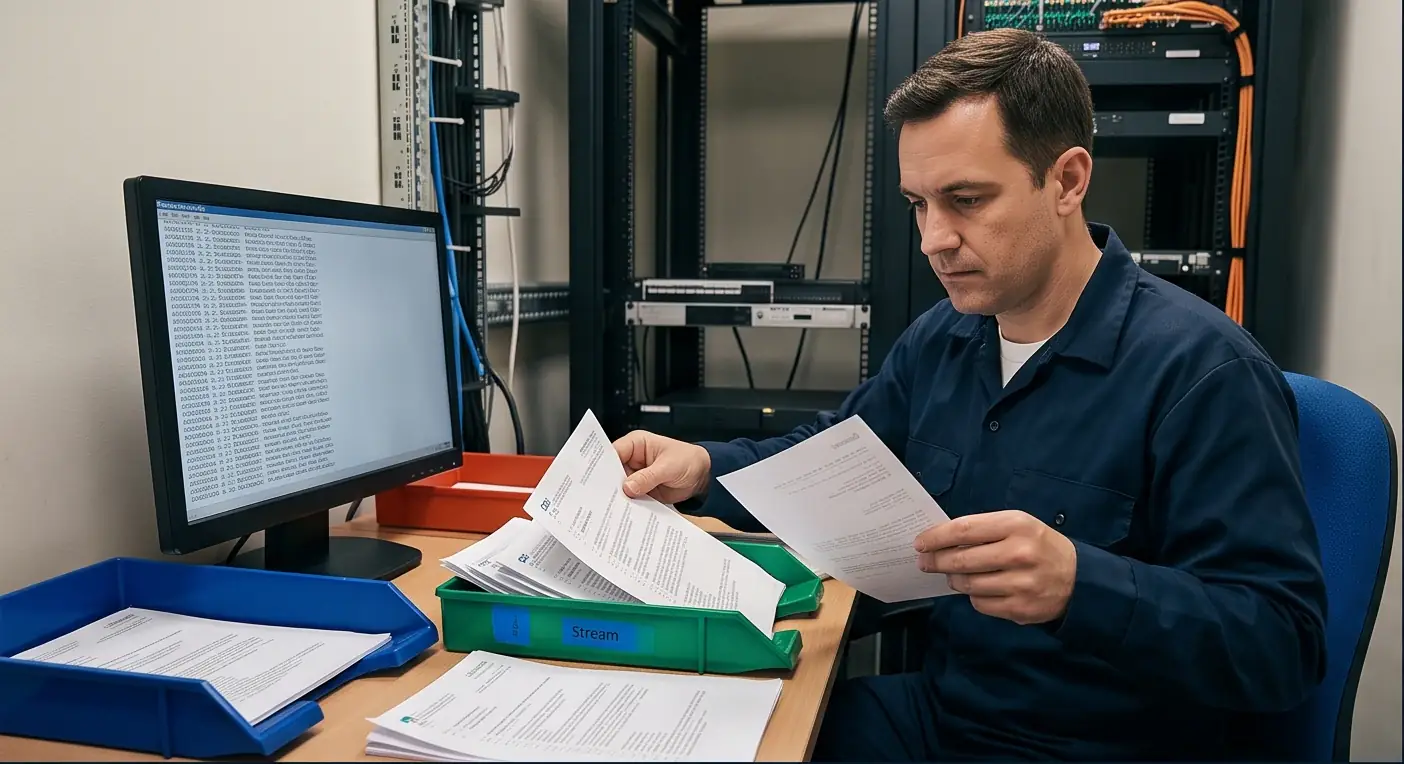
Protect customer and pipeline records with field ownership, proposed changes, provenance, idempotency, conflict detection, verification, and a repair path.

Design CRM webhook consumers for duplicates, delays, reordering, timeouts and partial failure before a retry creates a second record or repeats an action.
Straight answers
The useful answer is usually conditional. We keep those conditions visible rather than turning them into a promise the evidence cannot support.
Connected customer journeys
Unify lead capture, attribution, nurturing, pipeline management, and customer communication across your CRM stack.
ExploreReliable commercial follow-through
Remove repetitive sales administration while preserving judgment, timing, context, and a buyer’s ability to reach a real person.
ExploreOne revenue operating model
Connect marketing, sales, service, data, and technology around shared lifecycle definitions and decisions that improve revenue quality.
ExploreKeep the decision moving
A useful scope rarely stops at one channel. Compare the wider capability, inspect the evidence, and see how the work changes across markets before you choose a starting point.
Connected capability
Align go-to-market strategy, lifecycle definitions, CRM integrations, sales follow-through, service operations, attribution, dashboards, and ownership around decisions the business needs to make.
02Evidence and limits
See the campaign records, measured response, reporting caveats, and lessons that survived the work.
03Local discovery
Compare search behavior, buyer context, regulation, and service priorities across the markets we cover.
04Research library
Use practical field notes to examine the assumptions, operating trade-offs, and implementation detail.